




Automotive Industry: Detroit’s Cultural Change
image: mug25
Once upon a time it was known as the world's traditional automotive powerhouse, but unfortunately 'Detroit' is no longer a symbol of power within the global automotive industry. Detroit's automotive industry has been forced upon a cultural change as a pure form of transformation, which was radical and fundamental. This cultural change involved changing the basic values, norms, and beliefs, in order to significantly improve performance. A mission that appeared impossibly daunting with numerous obstacles: collapse of market shares, overwhelming structural costs, profuse bleeding of cash.
The unusual suspect character that led the effort had no automotive or governmental experience. Steven Rattner left his Wall Street position, and straight into the largest restructuring attempt in American history. The scale and speed of the rescue raised many more questions, especially within the automotive circle. Rattner, who led the task force, believed passionately that the decision to intervene prevented a colossal economic collapse. Part of the suspicion was caused by the appointment of a 'non-car czar' to come to the rescue of a passionate industry.
Renault Launches EVs Site
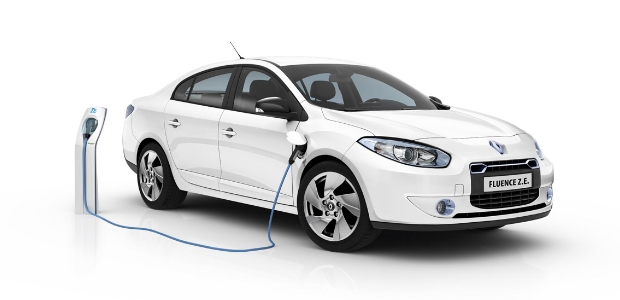
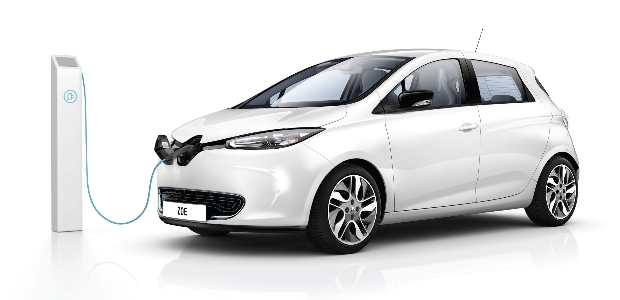
Renault made quite an impact at the Frankfurt Motor Show with an extensive electric vehicle range. Following on the success of the show Renault has just launched a new site dedicated to promoting its upcoming range of Zero Emission vehicles; the Fluence, Kangoo, Zoe and Twizy. But the site is not only about the vehicles. The new site also provides information about Renault's process of making EVs affordable to everyone.
The site offers explanations of how Renault hopes to make these cars mainstream and affordable. Renault plans to offer all of its EVs with a Better Place strategy. Renault will lease the batteries of all upcoming EVs rather than outright selling the battery to the buyer. The energy storage system will all be leased separately with payments going to a chosen energy supplier. Additional information on the site suggests that Renault will offer three charging options for all of its EVs.
Germany Fast Tracks Electric Car development
Germany is racing on to create a viable electric car. Home to brands including Volkswagen, Porsche, Mercedes and BMW - became the latest country to fast track development of electric cars. The government is approving a plan that aims to put 1 million electric cars on the road by 2020. The target is ambitious, let's just say impossible from the word go. Of the 41 million cars in the country, only 1,452 are electric, and Germany is entering an increasingly congested field.
German officials insisted their country hasn't missed the boat. Transport Minister Wolfgang Tiefensee said even Japan hasn't yet achieved a "real breakthrough". The massive, sensitive, costly and fast-depleting batteries that take the place of international combustion engines and gasoline are expensive to produce, and countries like South Korea and Japan are far ahead in research and development.
New Electric Car Sharing Plan In Paris
Paris is willing to chase the success of Vélib‘, the bike-sharing project in Paris, and attempt a similar initiative with electric cars. The green scheme, dubbed Autolib (short for "automobile" and "liberté"), is scheduled for launch as early as 2011. Advocates say the system would reduce carbon dioxide emissions by 22,000 tons a year while improving traffic congestion as fewer Paris residents would need to own cars. It would be the first major city to offer such a service.
The plan to make 4,000 electric cars available for Parisians to pick up and drop off at rental stands still has some kinks to be worked out. The program likely will be operated as a public-private partnership. The winning bidder not only will build the infrastructure but also operate the program - and be responsible for finding a manufacturer to supply the electric cars. But getting those cars on the road may not be easy. Although several automakers are developing all-electric cars, none is yet mass-produced. Though it would be more economically feasible for Paris to buy a fleet of existing EV models rather than commission a new car specifically for the Autolib scheme, city hall says both options are being considered.


