




Pre-Owned Electric Car Batteries
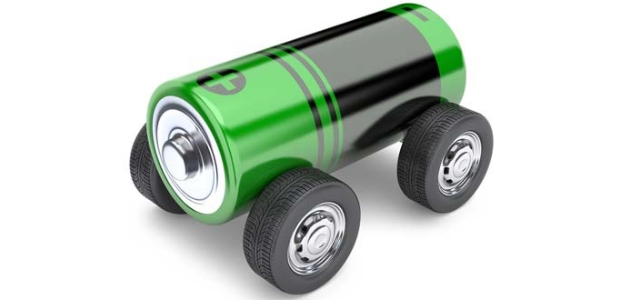
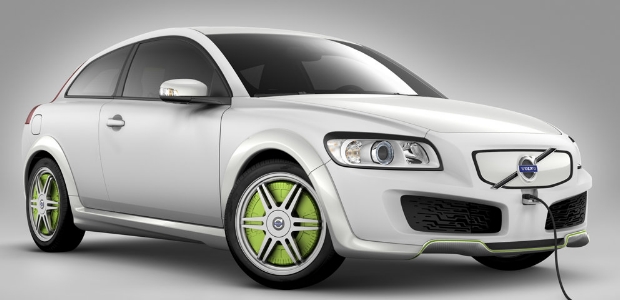
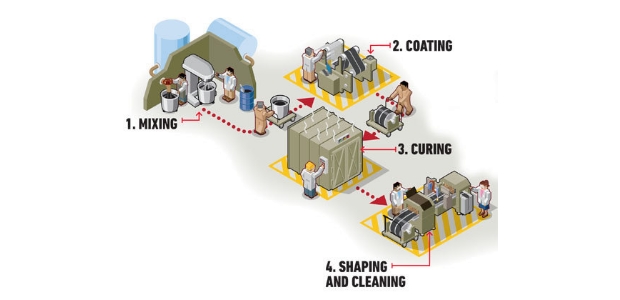
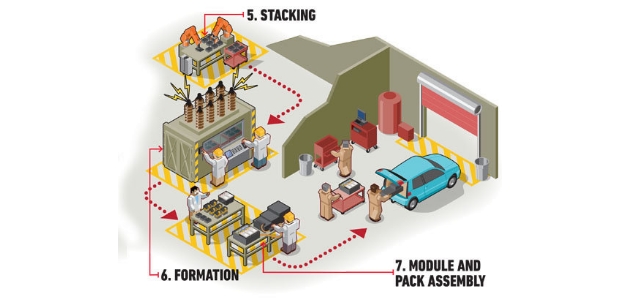
Nissan and Sumitomo established a joint venture to recycle lithium-ion electric car batteries, which could give Nissan an early lead in the fledgling electric car market by making its vehicles more affordable. The venture is based on a '4R' business model - Reuse, Resell, Refabricate and Recycle. Nissan aims to launch mass market electric vehicles by 2012. It already operates a joint venture with NEC - Automotive Energy Supply Corporation (AESC) - that makes high-performance lithium-ion batteries.
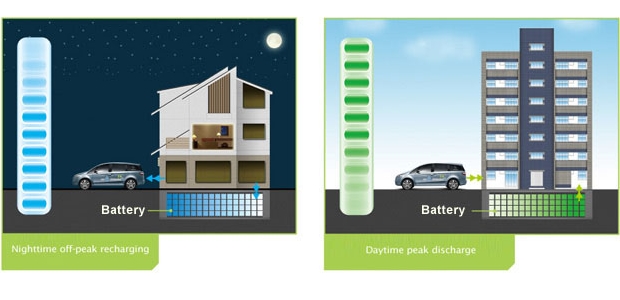
Reselling the batteries solves one of electric car manufacturers' biggest problems, which is affordability. Demand is expected to be particularly high for back-up power supplies, uninterruptable power supplies, load levelling for the electricity grid, and levelling of energy from both photovoltaic solar and wind power. In Japan, demand for such recycled batteries is expected to reach the equivalent of at least 50,000 electric cars a year by 2020.
Germany Fast Tracks Electric Car development
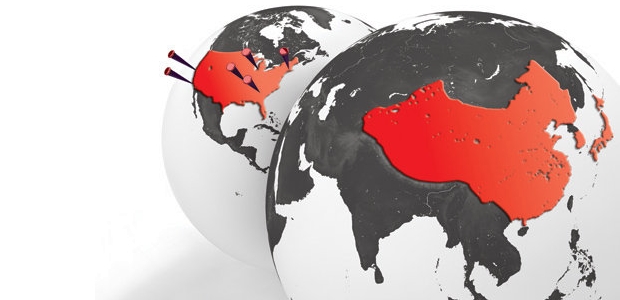
Germany is racing on to create a viable electric car. Home to brands including Volkswagen, Porsche, Mercedes and BMW - became the latest country to fast track development of electric cars. The government is approving a plan that aims to put 1 million electric cars on the road by 2020. The target is ambitious, let's just say impossible from the word go. Of the 41 million cars in the country, only 1,452 are electric, and Germany is entering an increasingly congested field.
German officials insisted their country hasn't missed the boat. Transport Minister Wolfgang Tiefensee said even Japan hasn't yet achieved a "real breakthrough". The massive, sensitive, costly and fast-depleting batteries that take the place of international combustion engines and gasoline are expensive to produce, and countries like South Korea and Japan are far ahead in research and development.
New Electric Car Sharing Plan In Paris
Paris is willing to chase the success of Vélib‘, the bike-sharing project in Paris, and attempt a similar initiative with electric cars. The green scheme, dubbed Autolib (short for "automobile" and "liberté"), is scheduled for launch as early as 2011. Advocates say the system would reduce carbon dioxide emissions by 22,000 tons a year while improving traffic congestion as fewer Paris residents would need to own cars. It would be the first major city to offer such a service.
The plan to make 4,000 electric cars available for Parisians to pick up and drop off at rental stands still has some kinks to be worked out. The program likely will be operated as a public-private partnership. The winning bidder not only will build the infrastructure but also operate the program - and be responsible for finding a manufacturer to supply the electric cars. But getting those cars on the road may not be easy. Although several automakers are developing all-electric cars, none is yet mass-produced. Though it would be more economically feasible for Paris to buy a fleet of existing EV models rather than commission a new car specifically for the Autolib scheme, city hall says both options are being considered.
Tokyo Taxis Test Electric Batteries
Tokyo taxis will be the first in the world to test the new electric-car batteries that can be replaced in less time than it takes to fill up the petrol tank. Better Place will have the opportunity to test its battery-swapping service concept. The pilot program is starting small, as only four electric taxis will take part in the trial of the new technology, which enables a depleted battery to be replaced with a fully charged one in about a minute.
The vehicles, operated by Tokyo's largest taxi operator Nihon Kotsu, will run from the Roppongi Hills shopping and office complex in the Japanese capital from January next year, under a trial commissioned by the government. The system, which removes the depleted battery from the underside of the vehicle and replaces it with another one, was designed to spare electric car users the hassle of waiting around while a battery is recharged.


